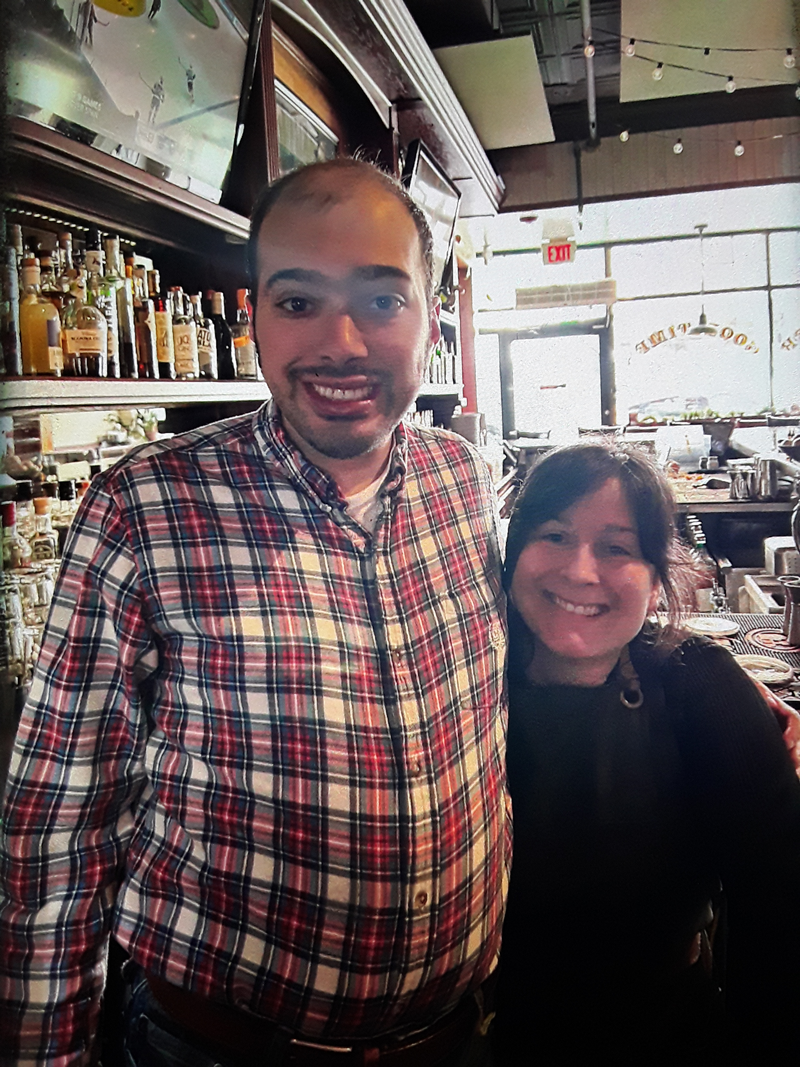
Joe’s Story: Thriving in a Busy Restaurant Environment
Who is Joe?
Joe is a 30-year-old man from Central Massachusetts. He lives in his own home and has a close relationship with his parents and siblings. Outside of work, he has a very active life and enjoys working out, Special Olympics skiing and bowling, running 5ks, playing Jumbo hockey, socializing with friends and family, and going to movies. Joe also maintains a vegetable garden where he chooses which vegetables to grow. He likes donating the vegetables to the restaurant where he works and to community organizations.
What is Joe’s job?
Joe works as a busser at a restaurant where he is well liked and known as a hard worker. He is responsible for carrying and filling ice buckets, cleaning tables, and doing other tasks as they come up. Joe has held this job since completing high school. He is comfortable with the familiar routine and likes the tasks.
Joe interacts with coworkers and knows to check in with that day’s manager. Joe is also part of any workplace social events he wants to attend, such as birthday parties or other staff celebrations.
Finding the Job
Joe is physically strong and thrives when he’s busy interacting with his surroundings, so his family wanted him to have a full life in the community. They knew that if Joe had the right supports, he could live in his own apartment, work at a competitive job, and pursue hobbies and interests he enjoyed in the community. They thought he was well suited to working in the front part of a restaurant where he could work around other people and help with daily tasks.
Joe and his family chose this restaurant because Joe’s father knew the manager and learned that the restaurant needed more reliable employees. The manager had also hired a classmate of Joe’s who was doing well, and thought Joe could do well there, too.
Joe’s Supports
Joe has a job coach for support with tasks and workplace interactions. Since Joe has become very good at his tasks by now, his job coach is mainly there to redirect him if he has to break his routine to clean an unattended table or handle some other unexpected tasks.
Joe also uses a smartphone and iPad to keep track of his schedule and the completion status of his tasks. Joe’s family pays for these supports with funding from the Department of Developmental Services (DDS).
“While Joe is working, the behavior analyst they have working with Joe is taking data on Joe's accomplishments based on Joe’s goals and objectives. So not only do we know how it's working, but there's an advantage to the employer as well. We involve them in the process as well,” says Joe’s father, Herb. “If they want to make an adjustment, then they let us know, and we'll work with the behaviorist to make any adjustments. Or if there's something Joe needs to learn or something that Joe isn't doing as well as he needs to do, then we work with the behaviorist on that. So that whole arrangement there really is setting Joe up for success. It also sets the employer up for success as well, so that it's not just a kind of a one way street there.”
What does Joe think of the job?
Joe likes his job and has what he needs to do it well. He has the right job coach support and assistive technology to be successful. Joe’s manager depends on him and appreciates him, and they include Joe in the social life of his workplace.
Advice for Job Seekers and Supporters
- Job seekers should know as much as they can about their skills, interests, and challenges. They should be able to articulate this knowledge to other people. Job seekers work best when they are healthy and have stable housing and transportation. Job seekers considering specific employers can try asking them for job interview accommodations, such as giving time in advance to prepare for questions, letting them know who they will be talking to, and letting them know how long the interview will take. Once they are working, individuals should have the supports they need from other people and from technology.
- Parents and professionals can understand individuals’ interests, skills, challenges, and the level of service and support they are likely to need. Start early doing evaluations of students’ skills, challenges, and likely service needs, with a focus on potential employment.
- Employers who want to hire people with disabilities will benefit if they make a real commitment to being inclusive. They will need to make accommodations in how they interview, hire, and support people, but they will also get to know an untapped pool of talented individuals. They should also take advantage of businesses that provide training to employers rather than struggling to invent their own strategies. Employers should partner with schools to prepare students for work opportunities. Schools should be training kids to be prepared for jobs and internships. Herb, Joe’s dad, says:
“Every community has a different set of employers and a different set of jobs and requirements, and skill sets at the entry level…The important thing is to find a match between the employers’ needs and the individuals being evaluated.”
The Youth Employment Success Stories (YESS!) series is an initiative of the Lawrence Partnership for Transition to Employment (LPTE), a community collaboration among schools, service providers, youth, and families in Lawrence, Massachusetts. The LPTE works with local schools, service providers, youth, and families to improve the transition to adult life for youth with disabilities. Visit lpte.info for more information.